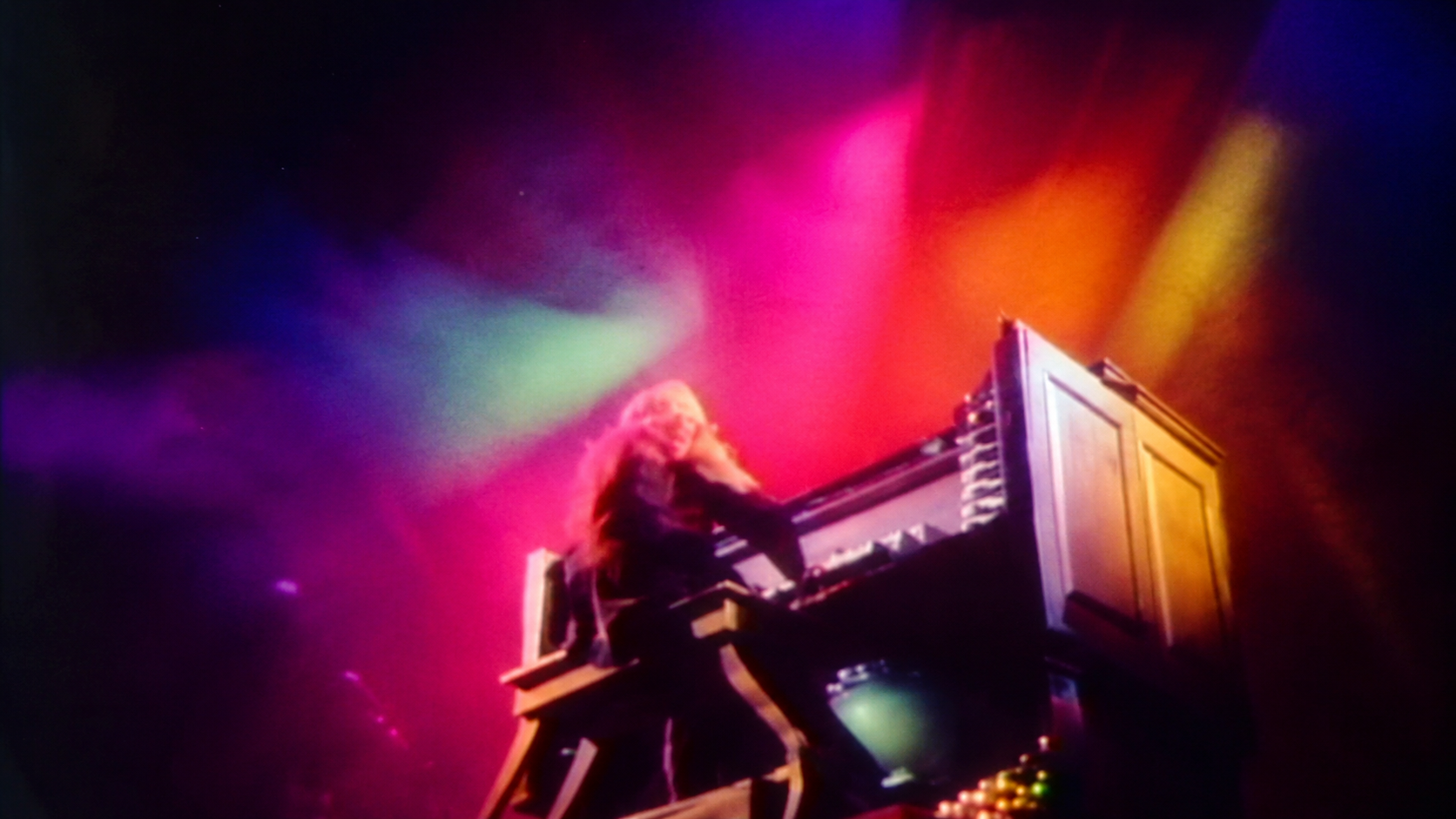
The Color Organ: The Forgotten Instrument That Tried to Make Music Visible
Antiques Mysteries Podcast: Explore the strange history of the color organ, an instrument designed to turn music into light.’Imagine attending a concert where every musical note is accompanied by a burst of color. Instead of simply hearing a symphony, you would watch it unfold as waves of red, blue, gold, and violet danced across the stage. More than a century ago, this was not science fiction—it was the ambitious goal of the color organ.
The idea emerged during the late nineteenth century, a period of extraordinary invention that also gave the world photography, recorded sound, and motion pictures. Artists and inventors believed that technology could create entirely new forms of artistic expression by uniting sight and sound.
One of the earliest and most influential pioneers was British artist and inventor Alexander Wallace Rimington. In the 1890s, he introduced his Color Organ, a keyboard-controlled instrument that projected colored light instead of producing sound. Rimington believed that color could be composed much like music, with harmonies, contrasts, and visual rhythms that could move audiences emotionally.
Interest in the concept grew during the early twentieth century. Russian composer Alexander Scriabin envisioned a “light keyboard” as part of his 1910 orchestral masterpiece Prometheus: The Poem of Fire, believing that color and music were spiritually connected. Inventors including Adrian Bernard Klein and Alexander László continued refining color-performance instruments, each hoping to create an entirely new artistic language.
Perhaps the movement reached its artistic peak with Thomas Wilfred’s Clavilux in the 1920s. Unlike earlier color organs that accompanied music, Wilfred believed moving light could stand on its own as an independent art form. His luminous abstract performances, which he called Lumia, transformed beams of colored light into slowly evolving compositions that existed somewhere between painting, theater, and music.
Although color organs never became common concert instruments, the dream endured. In the 1930s, George Lawrence Hall developed the Musichrome, while decades later the psychedelic light shows of the 1960s and the spectacular concerts of organist Virgil Fox revived the idea that music could be experienced visually as well as aurally.
Today, surviving color organs are rare museum pieces, reminders of an era when inventors believed the future of art lay in blending the senses. While modern concerts now routinely use sophisticated lighting, projection mapping, and digital visuals, those spectacular productions owe a quiet debt to the forgotten pioneers who first imagined an instrument that could play with light instead of sound.
The Color Organ: Music Made Visible | Great Paintings Podcast



Leave a Reply