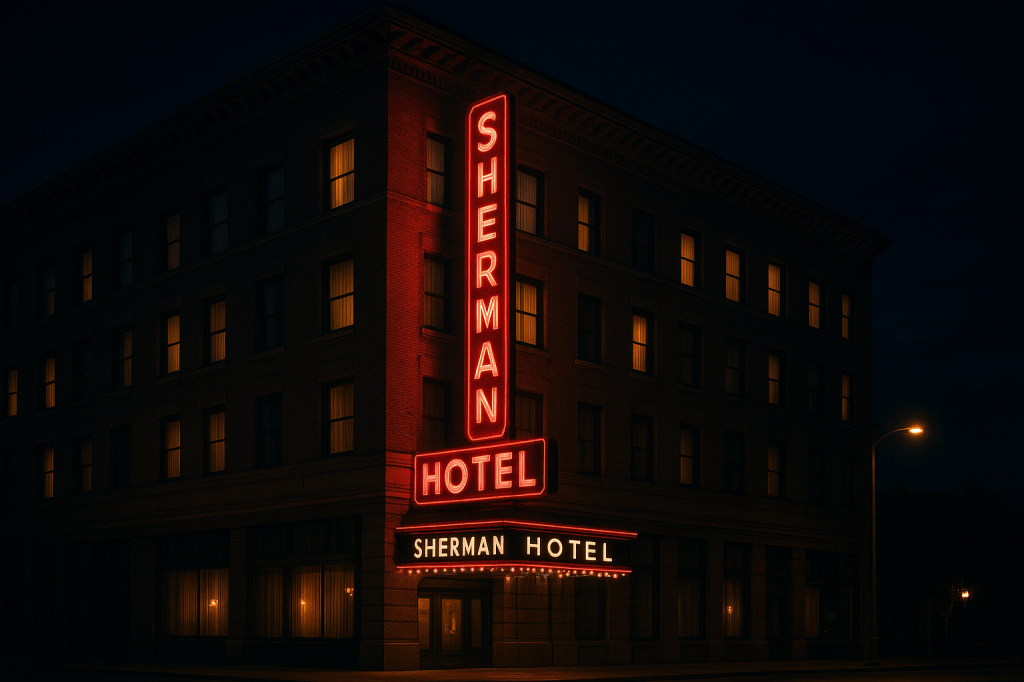
For history buffs, architectural enthusiasts, and collectors alike, the world of hotel memorabilia offers a unique window into a bygone era. Among the most coveted pieces are those from grand hotels that have long since vanished or been repurposed, like Chicago’s Hotel Sherman. The collection of items such as postcards, dinnerware, room keys, fixtures, and even architectural elements from these iconic establishments provides a tangible link to the past — to an era of elegance, glamour, and stories waiting to be uncovered.
History of the Hotel Sherman
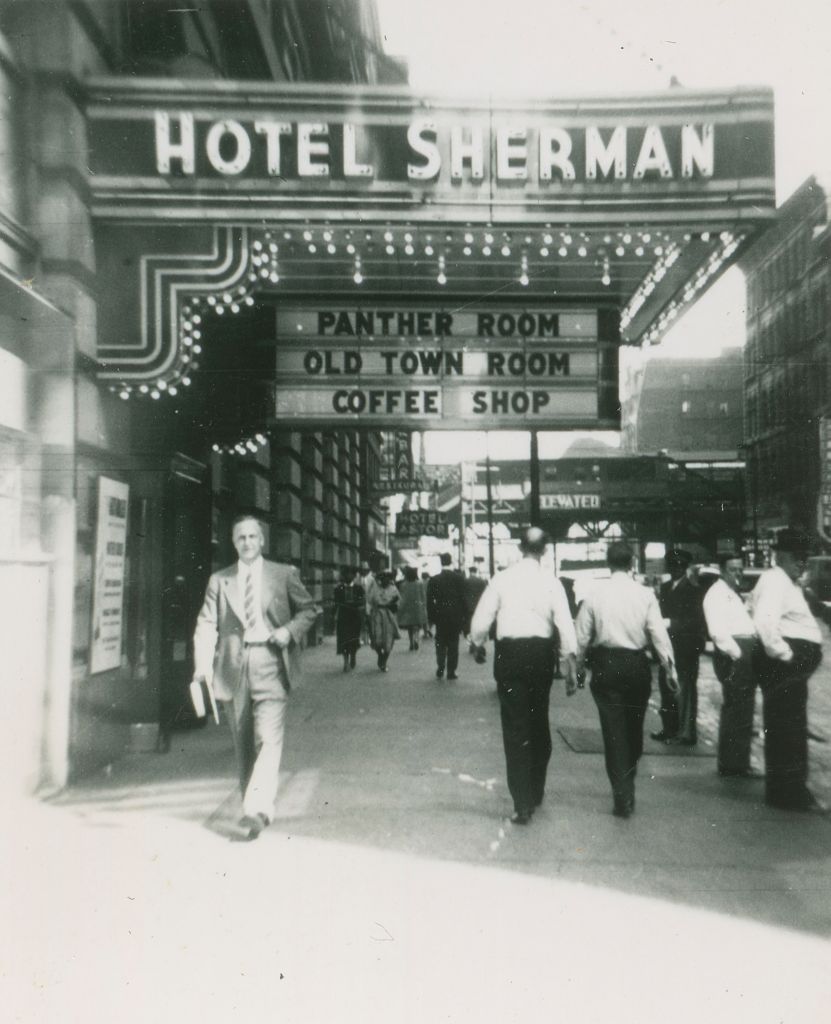
The story of the Hotel Sherman begins in 1837, with the opening of the original Sherman House. Unfortunately, both the first and second iterations of the hotel were destroyed by fires, but by 1911, a final, grand version of the Sherman Hotel was constructed at the corner of Randolph and Dearborn Streets in Chicago’s Loop. Designed in the Beaux-Arts style, the new hotel featured a soaring tower, gleaming marble interiors, and opulent ballrooms. It quickly became a hotspot for Chicago’s elite, a place where political figures, celebrities, and dignitaries mingled in its luxurious spaces.
The Sherman was particularly famous for its festive New Year’s Eve parties, which were some of the most anticipated events in the city. The hotel also played a crucial role in Chicago’s jazz scene, with musicians like Isham Jones and his orchestra helping to introduce jazz to a crowd that was accustomed to more classical sounds.
Sadly, the Sherman Hotel was demolished in 1981 to make way for the State of Illinois Center, but its legacy lives on in the memorabilia and artifacts that survive. Many of these objects have made their way into the hands of collectors who appreciate not just the elegance of the items, but also the stories they carry.
The Appeal of Hotel Memorabilia
For many collectors, hotel memorabilia is more than just vintage decor — it’s a way to preserve history. Items like postcards, menus, dinnerware, and room keys can evoke memories of an era long gone, and they often come with stories or intrigue attached. Collecting these items can feel like owning a small piece of history, connecting you with the experiences of the people who once stayed in these grand establishments.
Postcards: The Voice of the Past
One of the most popular forms of hotel memorabilia is the postcard. These small, printed reminders of the hotel’s grandeur were once a staple for guests wanting to send a quick note home. Some of these cards are ordinary — a simple “Wish you were here!” or “Having a great time in Chicago.” But on rare occasions, a postcard carries a message that transforms it into something extraordinary.
Dinnerware and Silverware: Elegance Preserved
Another fascinating category of hotel memorabilia is dinnerware and silverware. These items were often stamped with the hotel crest or logo, and they were used in the dining rooms for grand banquets and festive occasions. A porcelain plate from the Sherman Hotel, for example, could serve as a visual reminder of a lavish banquet attended by political leaders or Hollywood stars.
Collectors often seek out these items for their elegance and craftsmanship. Silver flatware with the hotel’s crest or crystal glassware etched with sharp geometric patterns have become highly sought-after relics of the past. When you hold them, it’s easy to imagine a scene in the hotel’s grand dining room: well-dressed guests laughing over champagne, surrounded by the hum of conversation and the clink of fine china.
Fixtures and Architectural Elements: The Building’s Soul
For the most dedicated of collectors, the memorabilia hunt doesn’t end with dinnerware or postcards. Architectural salvage — such as light fixtures, doorknobs, or even sections of stained glass — holds an irresistible appeal for those who want to own a physical piece of the building itself. These items often come from the hotel’s final days before demolition, and their rarity only adds to their allure. It’s not uncommon to find items like brass sconces, marble balusters, or even salvaged flooring from long-vanished hotels.
The Hotel Sherman was known for its towering marble columns, ornate brass fixtures, and breathtaking chandeliers. The pieces salvaged from its demolition now live on in the homes and collections of those who appreciate their history and craftsmanship.
Room Keys, Luggage Tags, and Matchbooks: Small but Significant
While grander pieces may grab the most attention, small items like room keys, luggage tags, and matchbooks can be just as meaningful. These seemingly ordinary objects were once part of daily life at the hotel. The room key, in particular, holds special significance — a tangible connection to a person’s stay in the hotel. Many of these items were branded with the hotel’s logo and became a part of the guest experience.
Over time, these small tokens can evoke a sense of nostalgia and mystery. Was the room key once held by a famous guest? Did someone write a love letter in that hotel room while the snow fell outside the window? With each item, a new story unfolds.
A Story Told Through Objects
The appeal of collecting hotel memorabilia is often about more than just owning an artifact. It’s about the stories these objects carry with them — the lives, events, and moments they witnessed. And for collectors of Sherman Hotel memorabilia, the objects seem to carry a particular weight, as though they are imbued with memories.
In fact, some say that certain objects from the Sherman Hotel still feel “charged” with an energy of their own. A set of dessert forks that feel cold in a warm room, or a glass that hums when the house is quiet — these are the kinds of tales that circulate among collectors, stories of items that seem to hold more than just the memory of the past.
If you’d like to dive deeper into the world of the Sherman Hotel and its unforgettable legacy, I invite you to listen to the podcast episode titled “The Sherman Hotel, A Postcard, and a Question That Still Echoes.” In this episode, we explore a postcard from the Hotel Sherman, where a simple message written in January of 1921 still holds a chilling question. Was the writer, in the midst of a New Year’s Eve celebration, truly walking with a ghost?
The mystery lingers, much like the Sherman itself — gone but not forgotten.





Leave a comment