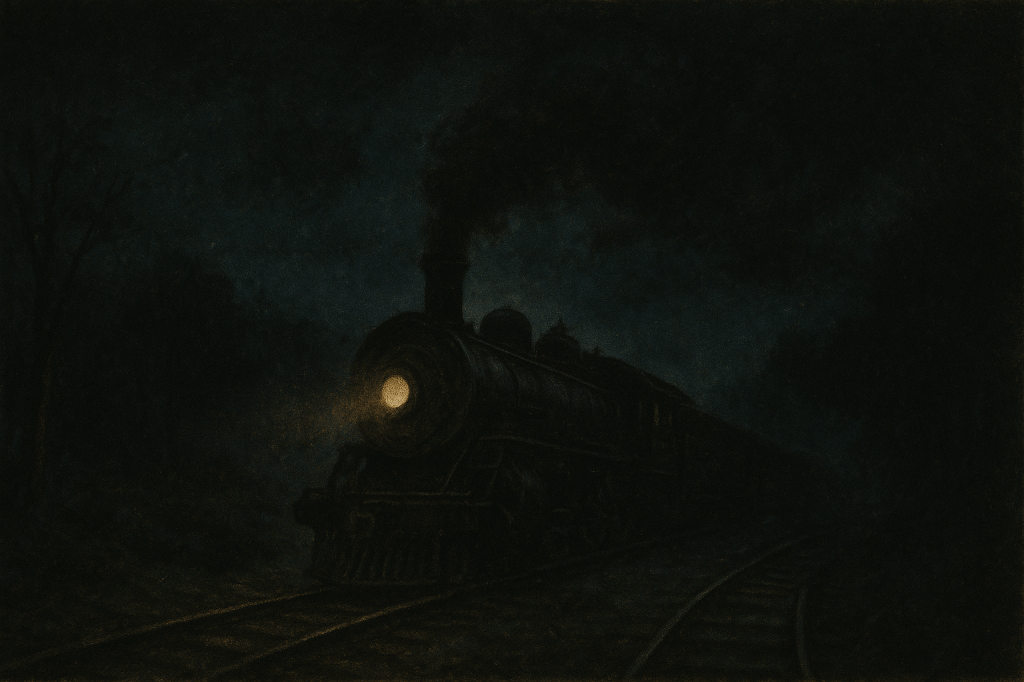
For nearly a century, the Pennsylvania Railroad was more than a transportation network — it was a living monument to American industry. Its polished rails stitched together the Great Lakes, the Alleghenies, and the Atlantic coast, carrying not just passengers and freight but a sense of national purpose. Known proudly as “The Standard Railroad of the World,” the PRR represented confidence, engineering might, and a faith in progress that felt as solid as the steel it ran on.
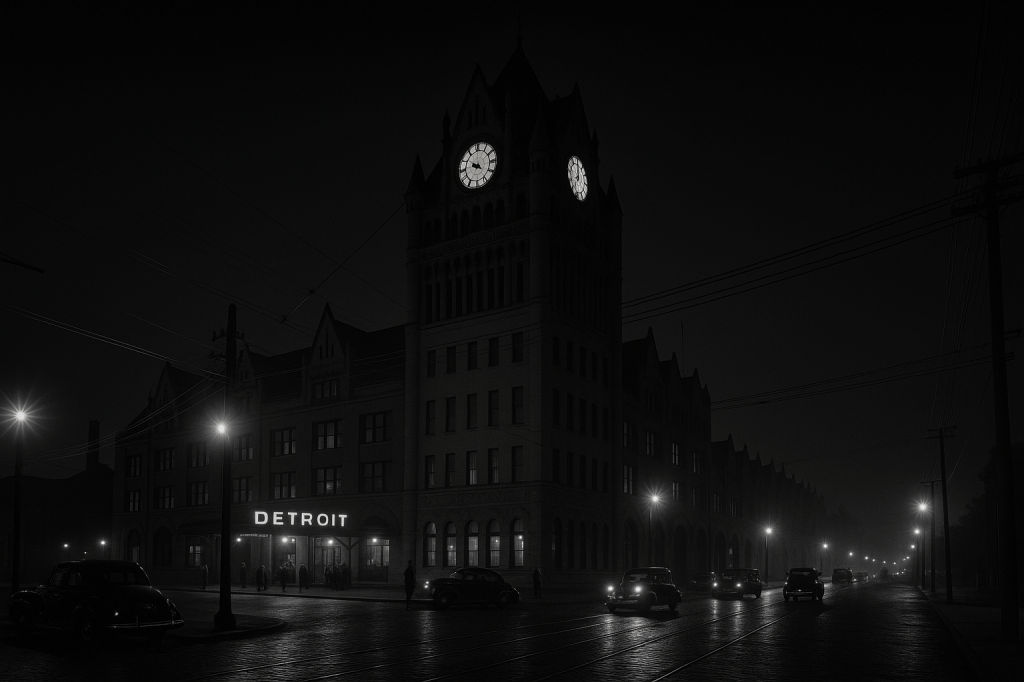
From Detroit’s broad stations to the commuter terminals of New York City, the PRR’s name meant reliability. Its trains bore elegant names that sounded like promises — The Broadway Limited, The Spirit of St. Louis, and the Red Arrow, among them. The Red Arrow in particular was beloved by travelers shuttling between the Midwest and the East Coast, its route threading through the scenic but treacherous Allegheny Mountains.
The Pennsylvania Railroad was a company that left tangible traces — objects that still connect collectors to that vanished world of steel, steam, and service. Dining-car flatware stamped “P.R.R.,” heavy silver coffee pots engraved with the keystone logo, and china bearing the subtle Tuscan red border of the Pennsylvania Railroad Standard Pattern are among the most sought-after relics. Menus, matchbooks, and linen napkins once used aboard the Red Arrow and other PRR trains appear now in flea markets and estate sales, worn soft by time but still elegant in their simplicity.
Even the paper trail has become collectible: timetables with Art Deco typography, route maps tracing the journey from Detroit to New York, and ticket envelopes printed with “Pullman Accommodations.” Each carries a ghost of motion — the faint echo of porters, passengers, and the low hum of a train sliding into the night.

To hold such pieces is to touch a fragment of a world that was at once ordinary and grand. They are reminders that travel once had ceremony — that even a cup of coffee served in a moving dining car could feel like an event. For collectors, these objects are not just memorabilia; they are fragments of faith in design, craftsmanship, and the belief that modern life could still be graceful.
Today, when a whistle echoes through the mountains and the mist hangs low over the rails, it’s easy to imagine those trains still pressing forward through the dark — symbols of motion, ambition, and the fragile confidence that the rails would always hold.
The headlines have yellowed, but the echoes remain — carried forward in porcelain, silver plate, paper, and memory.

Collector’s Note: What to Look For — Treasures of the Pennsylvania Railroad
Few companies left behind such a wealth of collectible design as the Pennsylvania Railroad. From fine dining-car silver to humble paper timetables, PRR artifacts offer a tangible link to the golden age of rail travel. Here are a few of the most evocative categories to seek out:
🥄 Dining Car Silver & China
- Flatware and Serving Pieces: Look for the stamped “P.R.R.” or keystone logo on spoons, knives, and coffee pots. Pieces by International Silver or Reed & Barton were standard.
- China: The Standard Railroad Pattern — white body with a Tuscan red and gold border — was used on many PRR trains. Scarcer patterns include special services like The Broadway Limited or Red Arrow china.
- Value Range: Flatware pieces $20–$50; coffee pots or teapots $100–$250; dining-car china plates $50–$150 depending on condition and pattern.
🕰️ Timetables, Tickets & Paper Ephemera
- Timetables: Collectors prize pre-war and immediate post-war PRR timetables for their typography and design. The Red Arrow and Broadway Limited issues are especially desirable.
- Tickets & Route Maps: Printed on soft beige or gray stock, often with embossed or printed keystone insignias. Pullman berth tickets and sleeping car envelopes are harder to find.
🚂 Hardware & Tools
- Lanterns: Marked P.R.R. or Pennsylvania Lines on the globe or frame. Clear-globe Adlake or Dietz lanterns are common; colored lenses or etched glass examples are rarer.
- Locks & Keys: Brass locks stamped with the keystone logo or “P.R.R.” initials are favorites among railroadiana collectors.
🎟️ Advertising, Posters & Photographs
- Posters and Brochures: Art Deco travel posters promoting “The Pennsylvania Railroad to the Sea Shore” or “New York in Six Hours” remain striking.
- Photographs: Press images or post-accident documentation of trains like the Red Arrow can be powerful conversation pieces — especially when provenance is known.
💡 Collector’s Tip
Condition and authenticity matter most. Beware reproductions — many PRR logos were reissued in the 1970s. Look for age-appropriate patina, maker’s marks, and consistent typography. Provenance from a former employee or station adds historical value.





Leave a comment