
The cliffs of Cape Disappointment on Washington’s Long Beach Peninsula are no place for the faint of heart. The Pacific crashes endlessly against black basalt rock, and the wind seems to carry the voices of those who never made it past the Columbia River Bar — the perilous “Graveyard of the Pacific.” Amid this dramatic meeting of land and sea stands the North Head Lighthouse, its light still sweeping across the waves more than a century after it was first lit in 1898.
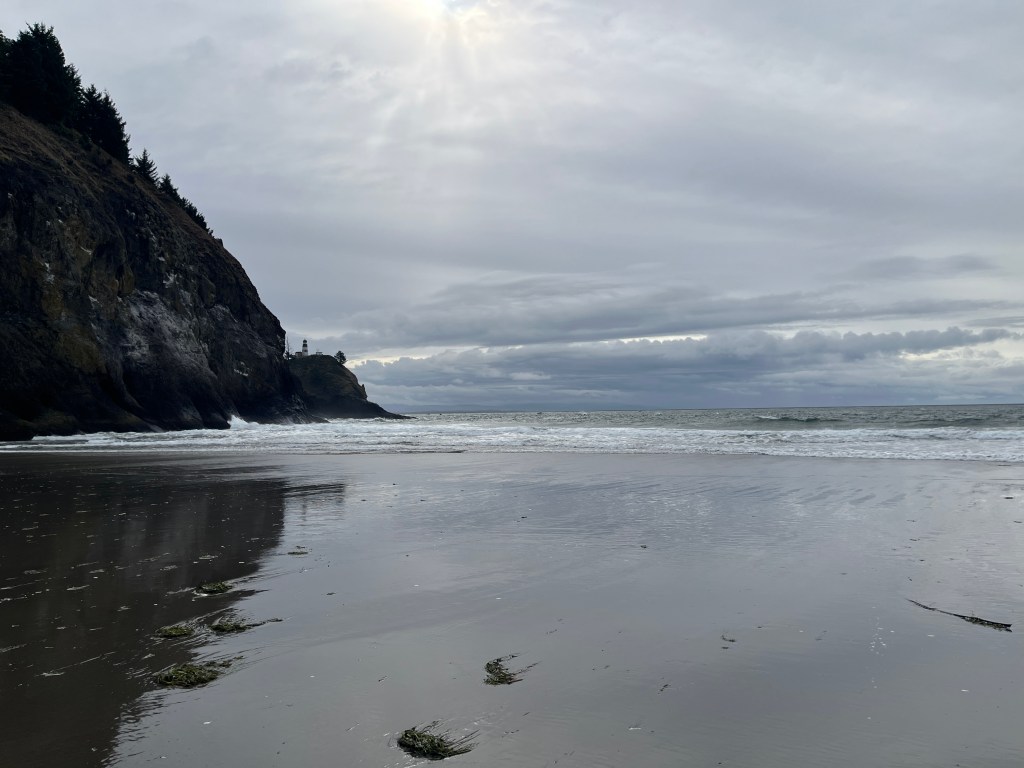
Yet it isn’t just the ships that linger in memory here — it’s the people. Among the early keepers was Alexander Pesonen, whose wife, Mary Watson Pesonen, came to the lonely headland with hopes of building a new life. Isolated by weather and distance, Mary’s world revolved around the small comforts of home: the steady rhythm of her rocking chair, the soft glow of an oil lamp, and the loyal companionship of her dog, Jerry.
In 1923, that quiet life ended in tragedy. Mary walked out along the cliffs one morning and never returned. Only Jerry came back, trembling, her coat left behind at the precipice. Whether she slipped or succumbed to despair remains a mystery — but many say she never truly left.

Over the decades, visitors and park staff have reported strange happenings in the keeper’s house: footsteps on empty stairs, a chair that rocks on its own, and lamps that flicker to life though long disconnected. One former volunteer recalled hearing a woman’s gentle humming as she closed up for the night, followed by the soft scratching of a dog at the door — but when she opened it, there was only fog.
Today, the North Head Lighthouse still stands watch over the restless Pacific, its tower a symbol of endurance and its home a vessel of memory. Perhaps Mary’s spirit remains, tending her post in the afterlife as she did in life — a quiet reminder that the objects we leave behind often hold more than history. They hold heart.





Leave a comment